
Update from the GM:
At the end of March, I will have the opportunity to join other organic advocates in speaking with members of Congress about the upcoming Farm Bill and what it means for organic agriculture. Because our co-op carries all organic and local produce and the vast majority of our groceries are organic, these policies have a real impact on the farmers who grow our food and the integrity of the organic label our community relies on.
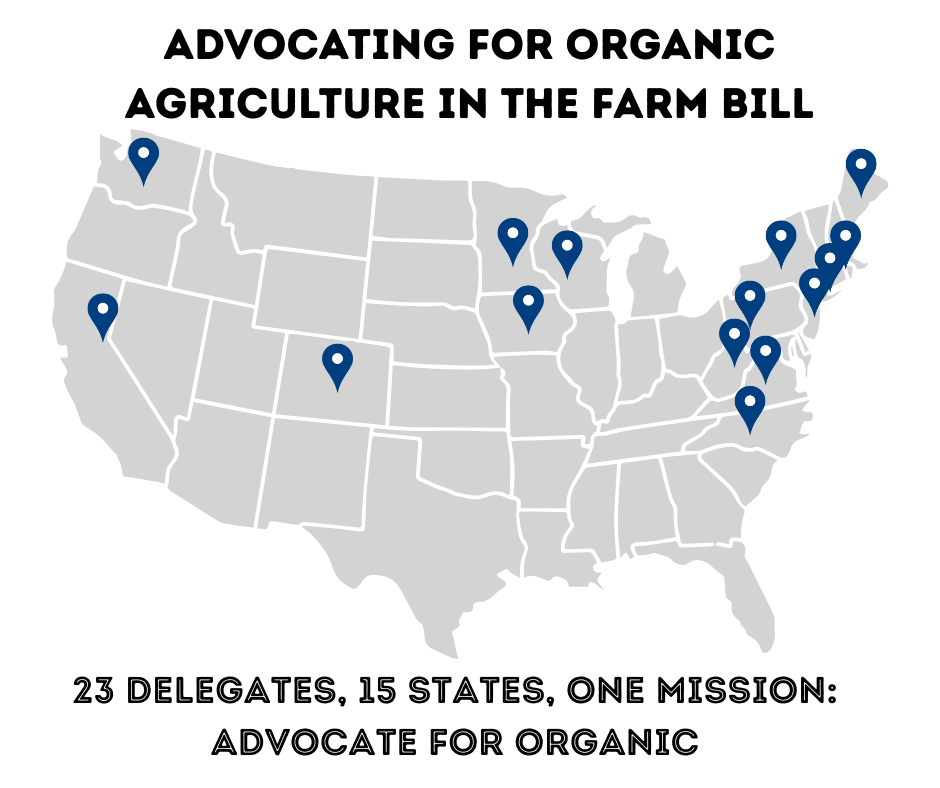
The National Organic Coalition (NOC) is sending a delegation of 23 advocates to Washington, D.C., representing 15 states and a broad cross-section of the organic community— from farmers and food processors to co-ops, certification agencies, and environmental groups. Among the delegates are five farmers and three co-op participants who will bring firsthand perspective to the halls of Congress.
The fly-in comes at a critical moment for the organic sector, as key funding decisions and Farm Bill negotiations stand to shape the future of domestic organic production. Delegates will meet with both congressional leaders and USDA officials, seeking bipartisan support for the value organic agriculture brings to local communities across the country. (https://www.nationalorganiccoalition.org)
Our co-op exists to connect our community with healthy food and support farmers who steward the land responsibly. Federal organic programs play an important role in making that possible.
California is the nation’s leading organic-producing state, and organic agriculture is a significant part of our agricultural economy. Thousands of farms across the state grow organic fruits, vegetables, grains, nuts, and dairy products that feed communities here and across the country. Strong federal policies help ensure those farms remain viable and that the organic label maintains the trust consumers place in it.
During these conversations, we will focus on several priorities that are especially important for organic farmers and communities like ours.
First, protecting the integrity of the USDA organic label. The National Organic Program is responsible for enforcing organic standards and preventing fraud in the marketplace. Ensuring this program has adequate staffing and resources helps maintain the trust that farmers, retailers, and shoppers place in the organic seal.
Second, supporting farmers through the Organic Certification Cost Share Program. Organic certification requires independent verification and comes with costs for farmers. This program helps offset those expenses and ensures that small and mid-sized farms can continue participating in the organic marketplace.
Third, investing in organic research. Organic farmers face unique production challenges, including climate pressures, pest management, and soil health concerns. Research tailored to organic farming systems helps farmers remain productive while maintaining the ecological practices that define organic agriculture.
Finally, improving market data for organic dairy farmers. Many organic dairy producers are navigating difficult economic conditions, and better data helps policymakers develop informed responses that reflect the realities of the organic marketplace.
At the heart of these conversations is a simple idea: investment in organic agriculture is an investment in resilient farms, healthy food systems, and thriving rural communities.
In a rural county of about 20,000 people, our co-op has nearly 2,500 member-owners, or roughly 12.5% of the population. That speaks to the strength of this community and the shared commitment we have to supporting organic farmers and building a more sustainable food system.
Thank you for being part of this co-op and for helping make this work possible.
Marcie Wilde
General Manager